New Orleans, Louisiana
Aminthe
Laudumiey
Nungesser
1899 – 1972
⚜ ⚜ ⚜
Carnival’s First Lady
Founder & Captain
Krewe of Iris · 1917
Krewe of Venus · 1941
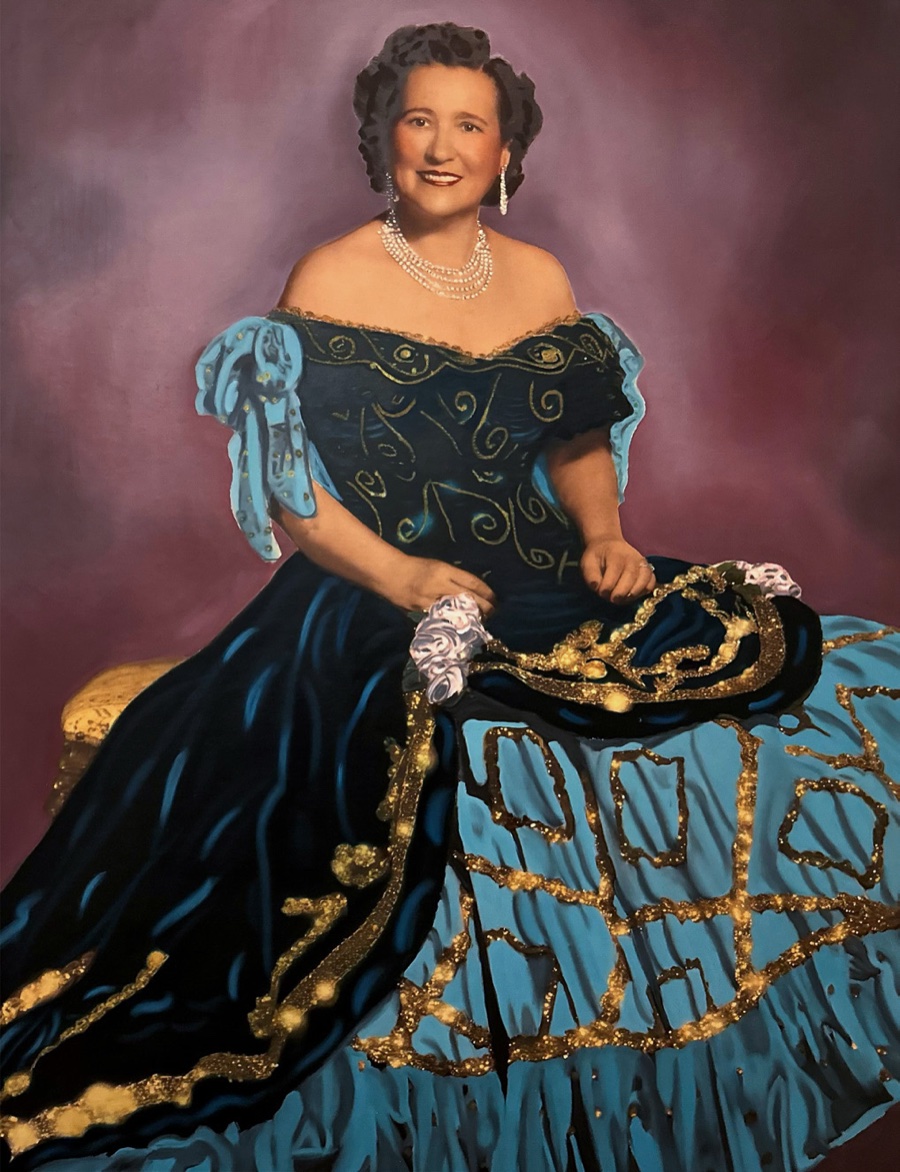
Photo by David Grunfield
New Orleans, Louisiana
1899 – 1972
⚜ ⚜ ⚜
Carnival’s First Lady
Founder & Captain
Krewe of Iris · 1917
Krewe of Venus · 1941
Photo by David Grunfield
The Nungesser name is well-known in Louisiana. In the world of Mardi Gras, however, its unsung heroine is Aminthe Laudumiey Nungesser — born in 1899 into a Creole family in New Orleans, a mother of three with five grandchildren, and a pioneer who reshaped the cultural landscape of her city.
Her decision to carve out a place for women in the male-dominated world of Mardi Gras was revolutionary — made in an era when women could not vote, drive, or even smoke in public. It ignited a movement that today counts more than 10,000 women in the ranks of the city’s female krewes. This page, and the film below, are her family’s tribute.
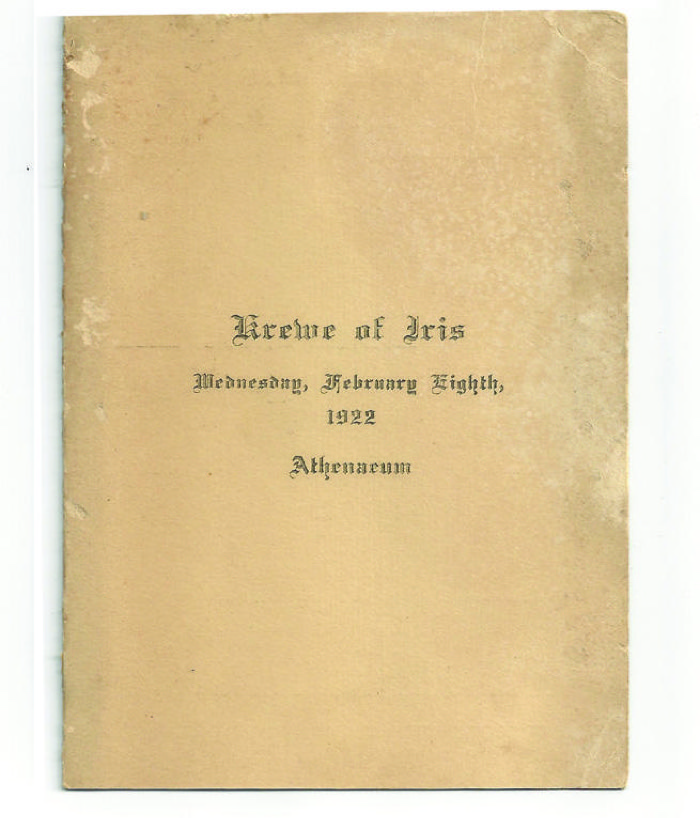
At the advent of the First World War, at just eighteen years old, Aminthe — whose family was in the funeral home business — founded the Krewe of Iris. It was a pivotal moment in the history of Carnival: not merely the birth of a new krewe, but a bold statement in a time when women were largely confined to domestic roles.
Iris began as a ball-only krewe, gathering at halls like the Athenaeum for masked tableaux and dances. It is today the oldest women’s Carnival organization in New Orleans — and the largest krewe of any kind in the city, nearly 4,000 members strong.
“She dared to carve out a place for women in the vibrant, colorful world of Mardi Gras, igniting a movement that would grow in strength and influence over the decades.”Sandy Furano · Mardi Gras Guide 2025
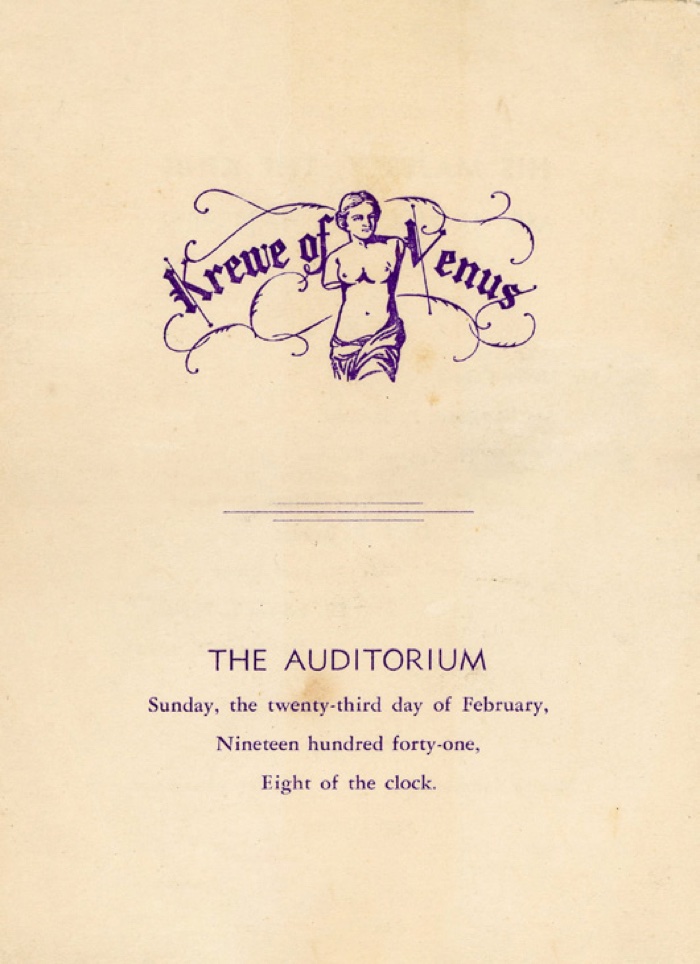
Against the backdrop of World War II, Aminthe made history again. On Sunday, February 23, 1941, the first all-feminine pageant in New Orleans history rolled down St. Charles Avenue to Canal Street — 125 women, mostly local businesswomen, on a dozen floats, with the theme of Goddesses.
It rained that day, and a few protesters even pelted the floats with eggs and tomatoes. Venus rolled on — straight into the history books.
Many charter members were wives of the men-only Hermes and Babylon krewes, and for more than thirty years Venus rented its floats from the Knights of Babylon — a unique arrangement that let the new krewe parade without the expense of owning a den or building floats of its own.
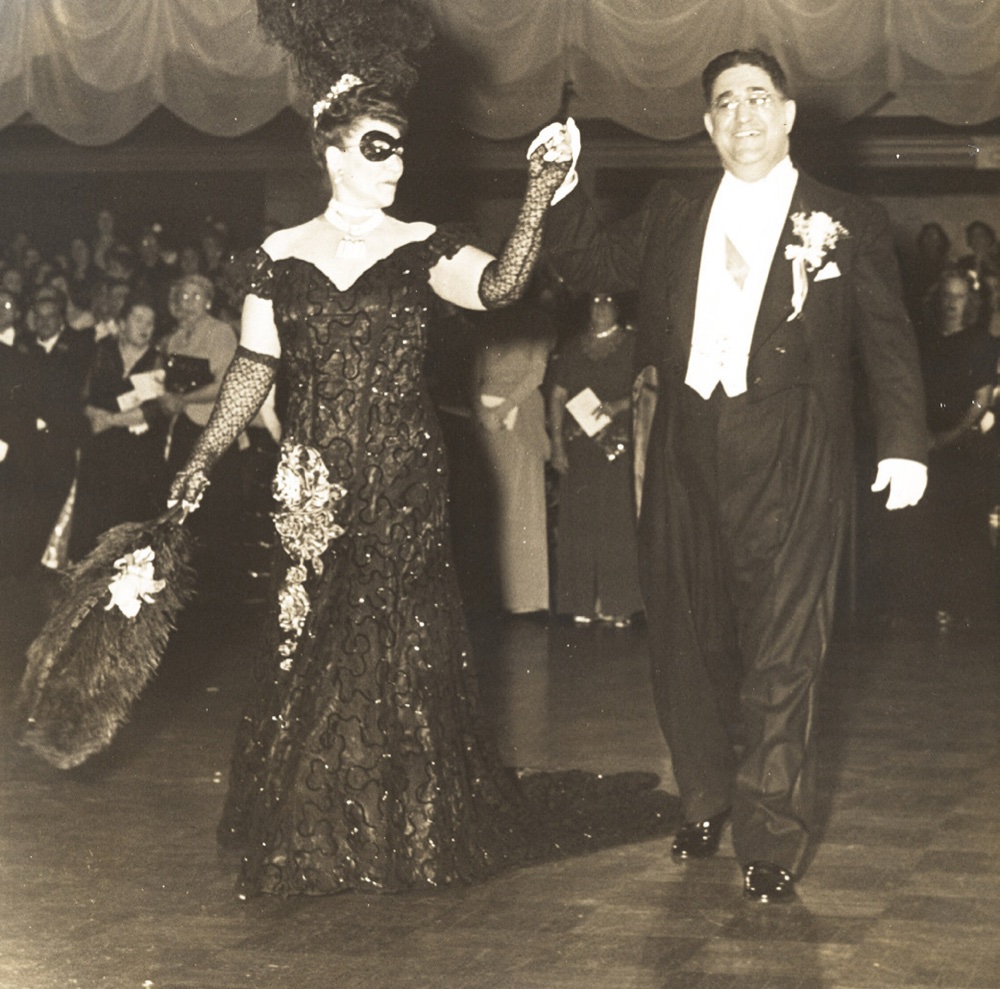
For twelve years Aminthe captained both krewes — a feat that would be challenging even by today’s standards — while raising a family from her home on Baronne Street, behind Pascal’s Manale. In 1952, with her grandchildren just babies in the attached apartment, she realized she could not oversee both Iris and Venus and be the grandmother she wanted to be.
So Aminthe kept Venus and handed Iris to Irma Strode, who had been the queen of Venus. Irma did a phenomenal job — without her commitment and leadership, Iris would not have grown into the club it is today.
Venus knocked down the barricades, and the women’s krewes that define modern Carnival followed through the opening — a sisterhood more than ten thousand strong:
Iris⚜Muses⚜Nyx⚜Cleopatra⚜Diana⚜Pandora⚜Femme Fatale⚜Athena
Aminthe never sought recognition or fame. But in the grand tapestry of Mardi Gras, her thread — woven with determination, love, and the indomitable spirit of New Orleans — is undeniably one of the strongest.
Carnival’s First Lady — a granddaughter’s tribute
A documentary tribute to Captain Aminthe Nungesser and three decades of Carnival leadership.

Aminthe’s granddaughter Sandy Furano fondly recalls her grandmother’s legacy. Her tribute, Carnival’s First Lady, appeared in Arthur Hardy’s Mardi Gras Guide 2025, and this site is drawn from it — the words, photographs, and programs of a family determined that Aminthe’s thread in the tapestry of Mardi Gras never be forgotten.
Louisiana State Museum
Aminthe’s life and legacy are featured in Pioneers of Women’s Carnival, an exhibit at the Presbytère on Jackson Square, New Orleans.
Visit the exhibit